How to Experience Diwali Amidst the Wilderness of Jim Corbett
By Narender Rawat / Oct 18, 2025
Diwali, the festival of lights, is usually marked by fireworks, crowds, and dazzling chaos. But in the tranquil wilderness of Jim Corbett, especially in Dhela - a village nestled in the buffer zone of the national park - Diwali unfolds differently. Here, the festival is quiet, grounded, and rooted in community and respect for nature. Instead of smoke-filled skies and deafening bursts, the village glows gently with diyas, candles and string lights, offering visitors a peaceful alternative to urban celebrations.
A Festival in Harmony with Nature
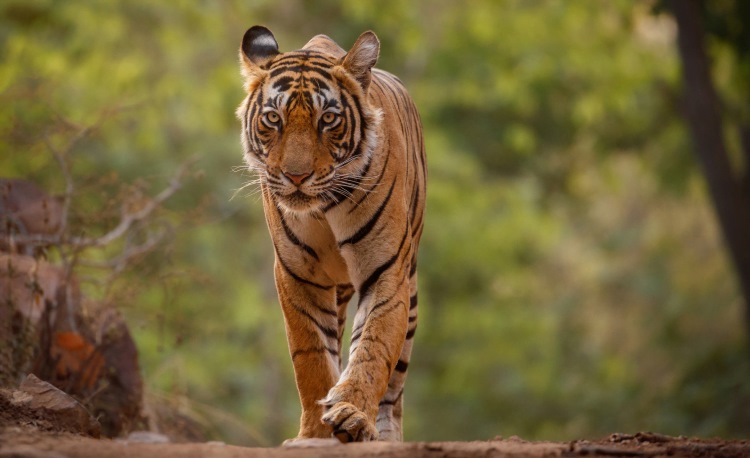
Dhela’s proximity to the forest shapes how residents celebrate Diwali. Firecrackers are minimal, loud music is rare, and the rhythm of the village remains mindful of the wildlife that surrounds it - tigers, leopards, elephants, and countless bird species. Evenings are illuminated by soft lamp light, accompanied by the hum of crickets and distant calls from the wild. It is a celebration that coexists with nature rather than competing with it, reminding visitors that festivity does not need to disturb the silence of the land.
Local Traditions and Community Life
Most families in Dhela trace their heritage to the Kumaon region of Uttarakhand, and their Diwali customs reflect that lineage. In the days leading up to the festival, homes are cleaned and thresholds and courtyards are decorated with Aipan - traditional white rice-paste motifs drawn on earthen red floors. These designs are more than decoration; they are symbols of welcome and auspiciousness.
As dusk falls, families perform Lakshmi Puja in their homes or at the village temple. After the prayers, lamps are lit and placed along verandahs, in courtyards, and even around cattle sheds. While traditional earthen diyas and candles remain central, electric string lights now illuminate newer homes - a blend of heritage and changing times. Neighbours go door to door, exchanging sweets and greetings, often pausing over cups of tea and brief conversations about crops, family, and the year ahead.
A Taste of Kumaon
Food is central to the celebration. Households prepare classic Kumaoni treats like singori (khoya wrapped in mallu leaves), bal mithai (local fudge coated in sugar pearls), and jhangore ki kheer (a pudding made from barnyard millet). Alongside these, guests are offered kheel (puffed rice) and batashe (dome-shaped sugar candies) - simple, traditional offerings that speak of hospitality rather than indulgence. Travellers who visit during this time are often invited to taste these homemade sweets, experiencing the festival through flavour as much as sight.
Travelling Through Tradition
For visitors, Diwali at the Resorts in Jim Corbett is not a spectacle, but a lived experience. Walking through lanes softly lit with diyas and string lights, pausing at Aipan-adorned thresholds, and accepting kheel-batashe from welcoming neighbours, one encounters tradition as part of everyday life. There are no processions to witness or performances to attend - the celebration lies in small gestures, shared spaces, and open doors.
What stands out most is what is absent: no haze of firecrackers, no acrid smoke, no sound that fractures the night. The sky remains clear and starlit, and each lamp feels like an affirmation - of light, faith, and quiet joy. For travellers seeking respite from city pollution and noise, Diwali here becomes unexpectedly grounding.
Mindful, Sustainable Celebration
Without commercial noise or excess, the essence of the festival becomes clearer - gratitude, community, and reflection. The eco-conscious nature of the celebration ensures that the forest sleeps undisturbed and that the land remains unscarred. It is a reminder that the truest celebrations leave room for silence.
A Festival Beyond Fireworks
Diwali in Dhela offers a rare balance of tradition, comfort, and immersion in nature. Far from the urgency and pollution of urban festivities, it draws travellers into a community that values warmth over display. What lingers after the visit is not extravagance, but the memory of still, lamp-lit lanes, shared sweets, and the quiet joy of being momentarily woven into the village’s festive rhythm. So book your stay at the Resorts in Jim Corbett National Park and enjoy the Diwali celebration with your Family.
Diwali here is luminous in ways that go beyond fireworks - it nurtures reflection, connection, and a gentle appreciation for being presentin the moment. For those seeking a festival rooted in culture, mindful celebration, and the calm of the forest, Dhela offers an unforgettable way to experience the true spirit of the festival of lights.
You can also Read:
https://hridaybhoomi.in/blog/resorts-in-jim-corbett
https://hridaybhoomi.in/blog/weekend-escape-to-nature-why-corbett-national-park-is-the-perfect-getaway
https://hridaybhoomi.in/blog/enhance-your-corbett-experience-why-hriday-bhoomi-resort-is-the-perfect-retreat
Related Posts
10 reasons to vacation at a luxury villa in Jim Corbett
Jim Corbett National Park is a national park located in the Nainital district of Uttarakhand state in India. Established in…
A Weekend In Corbett, Uttarakhand
Looking for a quick weekend getaway to escape the hustle and bustle of the city? Look no further than Corbett…
Subscribe to Our Newsletter
Be the first to know about exclusive offers,
latest news, and updates from Hriday Bhoomi.

How can I help you? 🙂